
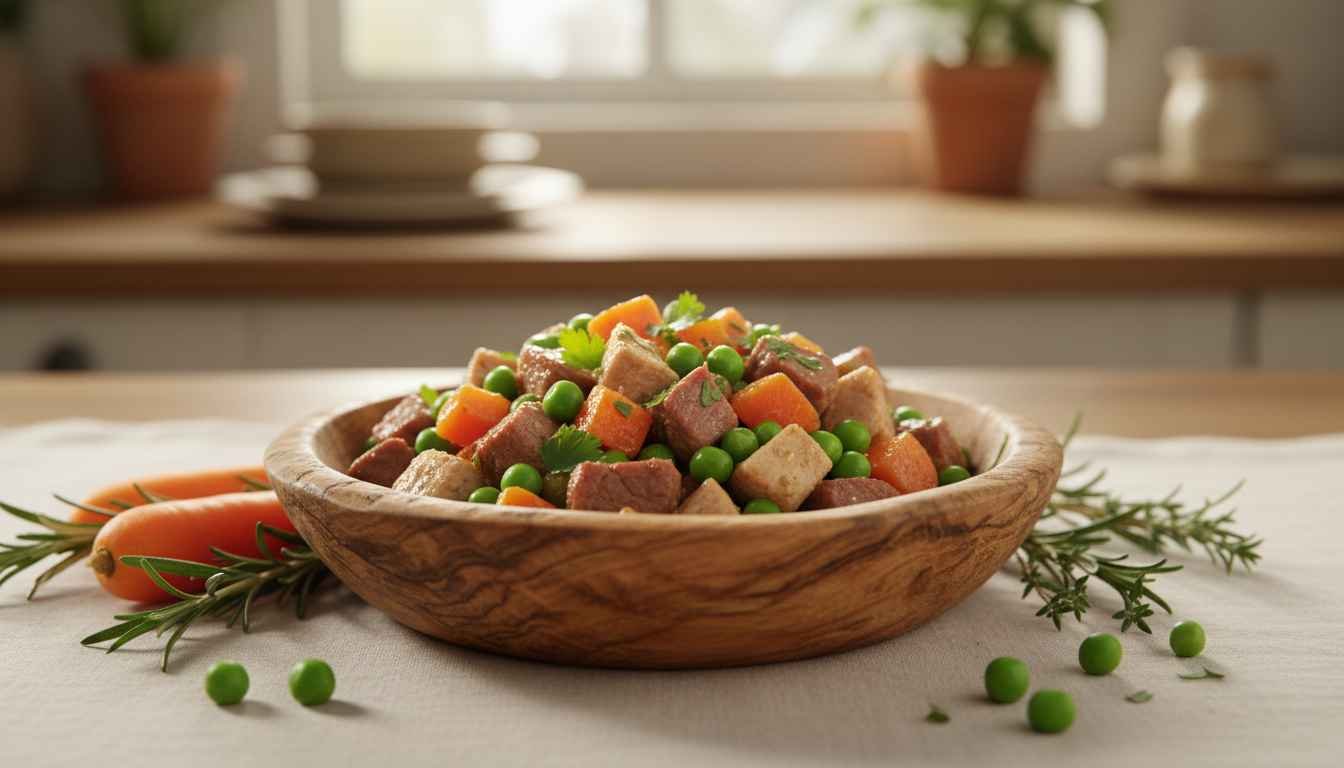
It’s time to wake up. Your dog’s diet isn’t just kibble tossed in a bowl – it can directly affect their energy, coat, and overall health. Small batch lightly cooked dog food has gained traction among pet owners seeking fresher alternatives, but it’s not all sunshine and tails wagging. Here’s a brutally honest breakdown.
Quick Definitions
Small batch: Limited quantity production ensuring freshness and quality control. Lightly cooked: Food cooked at lower temperatures to preserve nutrients compared to traditional high-heat processing.
Pros
First, nutrient retention is the main selling point. Light cooking preserves vitamins like B and C, and essential amino acids often destroyed in kibble. According to Dr. Elaine Merrick, a canine nutritionist, “Lower temperature cooking keeps the protein profile closer to what a dog would naturally consume.” Dogs often find these meals more palatable, which can reduce waste and picky eating. Another advantage is transparency: small batch producers often list ingredients with exact sourcing, unlike generic mass-market brands.
Additionally, there’s less filler. You’re not paying for corn or wheat byproducts; protein content is usually higher, and fats are fresher. For owners tracking their pets’ caloric intake or managing weight, this can be invaluable. Cooking at home or with smart kitchen devices can further ensure the food hits the right temperature without overprocessing – devices like INKBIRD sous vide cookers can make this feasible for conscientious owners.
Cons
Cost is a significant barrier. Small batch production means higher prices – sometimes double or triple standard kibble. Shelf life is also a concern; without preservatives, food must be refrigerated and used quickly, which can be inconvenient for busy households. There’s also a consistency issue: nutrient content can fluctuate slightly from batch to batch. Finally, not all dogs tolerate lightly cooked diets well, especially those with sensitive stomachs or specific medical conditions.
Potential Drawbacks
Owners who rely on convenience may struggle. Meal prep takes time, and storage can be tricky if you buy in bulk. Dogs with chronic pancreatitis or other digestive disorders should avoid high-fat small batch meals unless approved by a vet. Always consult a professional before switching diets to prevent deficiencies.
In short, small batch lightly cooked dog food offers genuine health benefits, better taste, and ingredient transparency. But it comes at a cost, both financially and in effort, and isn’t universally suitable. Understanding both sides ensures you make informed decisions instead of falling for marketing hype.
This topic connects naturally with How Teachers Can Find Free — exploring it will give you a more complete picture.
As you consider dietary changes for your dog, it’s also important to think about other significant transitions in life, such as relocating to a new country. If you’re planning on moving from UAE to Pakistan, understanding the customs process can help ease the transition; for detailed guidance, refer to our Pakistani customs TR status guide.
