
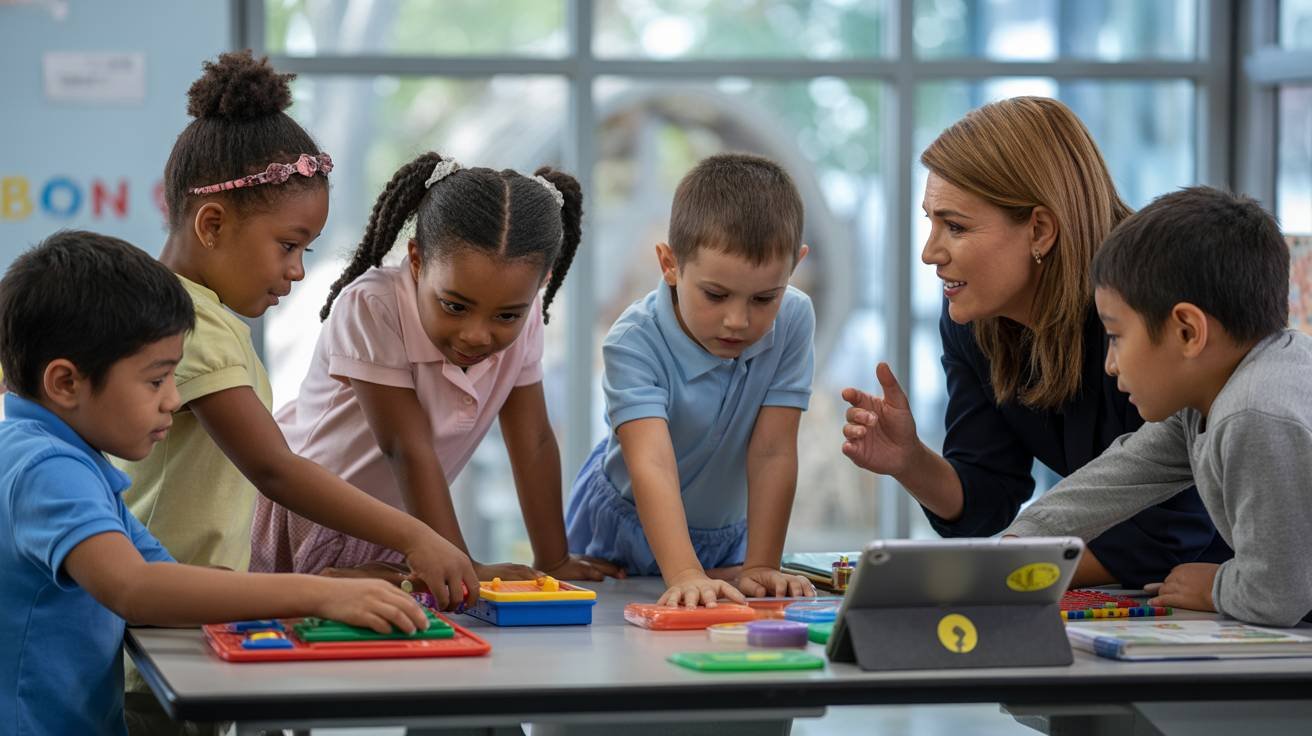
Imagine a classroom where every student, regardless of their abilities or backgrounds, feels seen, heard, and valued. This isn’t just an idealistic dream – it’s a tangible reality within your reach. Inclusive education isn’t a distant goal; it’s an urgent necessity, a transformative force reshaping the educational landscape. As a teacher, the power to create this change lies in your hands. But time is of the essence. The world is evolving, and so should our classrooms. Embrace inclusive education now, or risk being left behind.
Understanding the Imperative of Inclusive Education
Inclusive education is more than a buzzword; it’s a fundamental shift in how we perceive and approach teaching. It’s about recognizing and celebrating the diverse tapestry of students in our classrooms. Each student brings a unique set of experiences, strengths, and challenges. By adopting an inclusive education lens, we move away from a one-size-fits-all approach and towards a model that values diversity as a strength. This shift isn’t just beneficial; it’s essential. Research consistently shows that inclusive classrooms lead to better academic outcomes, improved social skills, and a stronger sense of community among students. The urgency to adopt inclusive practices has never been clearer.
Practical Strategies for Implementing Inclusive Practices
Implementing inclusive education requires intentional planning and commitment. It’s not about making superficial changes but about embedding inclusivity into the very fabric of your teaching. Start by differentiating instruction to meet the varied needs of your students. This means providing multiple ways for students to engage with content, express their understanding, and demonstrate their learning. Utilize Universal Design for Learning (UDL) principles to create flexible learning environments that accommodate individual learning differences. Incorporate assistive technologies to support students with disabilities, ensuring they have equal access to learning opportunities. Collaboration with special education professionals and paraprofessionals is also crucial in providing the necessary support for all students. These strategies are not optional; they are imperative for fostering an inclusive classroom environment.
Creating an Inclusive Classroom Environment
The physical and emotional environment of your classroom plays a pivotal role in fostering inclusivity. Arrange your classroom seating to promote collaboration and interaction among students. Consider adopting flexible seating arrangements, such as U-shaped or circular layouts, to encourage communication and group work. Display materials that reflect diverse cultures, abilities, and perspectives, signaling to students that their identities are valued. Establish clear expectations and routines that promote respect, empathy, and cooperation. Create a safe space where students feel comfortable expressing themselves without fear of judgment. This environment becomes the foundation upon which inclusive education thrives, allowing every student to feel a sense of belonging and acceptance.
Leveraging Technology to Support Inclusion
In today’s digital age, technology can be a powerful ally in promoting inclusive education. Assistive technologies, such as screen readers, speech-to-text software, and audiobooks, can provide students with disabilities the tools they need to succeed. Digital platforms can offer personalized learning experiences, allowing students to progress at their own pace and receive immediate feedback. Online resources can provide diverse perspectives and materials that cater to different learning styles. However, it’s essential to ensure that all students have access to the necessary technology and are trained to use it effectively. The digital divide can exacerbate inequalities if not addressed proactively. Therefore, integrating technology into your inclusive education practices requires careful planning and equitable access for all students.
Professional Development and Continuous Learning
Inclusive education is not a destination but a journey. To effectively implement inclusive practices, teachers must engage in ongoing professional development. This includes attending workshops, participating in collaborative planning sessions, and seeking out resources that enhance your understanding of inclusive education. Reflect on your teaching practices and be open to feedback from colleagues and students. Embrace a growth mindset, viewing challenges as opportunities for learning and improvement. By committing to continuous learning, you not only enhance your effectiveness as an educator but also model the importance of lifelong learning for your students. This commitment is crucial in staying abreast of best practices and evolving strategies in inclusive education.
Engaging Families and Communities
Inclusive education extends beyond the classroom walls. Engaging families and communities is vital in creating a cohesive support system for students. Establish open lines of communication with parents and guardians, keeping them informed about their child’s progress and any challenges they may be facing. Involve families in the learning process by encouraging their participation in school events, volunteering opportunities, and decision-making processes. Collaborate with community organizations to provide additional resources and support for students. This partnership fosters a holistic approach to education, ensuring that students receive consistent support both at school and at home. The collective effort of families, educators, and communities is essential in realizing the full potential of inclusive education.
Assessing and Monitoring Progress
Effective inclusive education requires regular assessment and monitoring to ensure that all students are making progress. Utilize a variety of assessment tools to gather data on student learning, including formative assessments, observations, and student self-assessments. Analyze this data to identify areas where students may need additional support and to adjust instructional strategies accordingly. Involve students in the assessment process by setting personal learning goals and reflecting on their progress. This approach empowers students to take ownership of their learning and fosters a sense of responsibility. Regular assessment and monitoring also provide valuable insights into the effectiveness of inclusive practices, guiding continuous improvement and ensuring that all students have the opportunity to succeed.
Overcoming Challenges in Inclusive Education
Implementing inclusive education is not without its challenges. Teachers may encounter resistance from colleagues, lack of resources, or insufficient training. However, these obstacles should not deter you from pursuing inclusive practices. Advocate for necessary resources and professional development opportunities within your school or district. Collaborate with colleagues to share strategies and support each other in implementing inclusive practices. Seek out mentorship from experienced educators who have successfully navigated the challenges of inclusive education. Remember, the benefits of inclusive education far outweigh the challenges. By persevering and remaining committed to inclusivity, you contribute to creating an educational environment where every student has the opportunity to thrive.
Embracing the Future of Inclusive Education
The landscape of education is rapidly changing, and inclusive education is at the forefront of this transformation. As a teacher, you have the power to shape the future by embracing inclusive practices today. The urgency to act is paramount; the longer we delay, the more students miss out on the opportunities they deserve. By adopting an inclusive education lens, you not only enhance the learning experiences of your students but also contribute to a more equitable and just society. The time to act is now. Don’t let this opportunity pass by. Embrace inclusive education and be a catalyst for change in your classroom and beyond.
