
Introduction: Your Home as a Sanctuary
Imagine stepping into a living space that immediately envelops you in warmth and tranquility. The soft glow of ambient lighting, the gentle hum of a well-placed sound system, and the inviting textures of plush furniture create an atmosphere that soothes the soul. This isn’t just a dream; it’s the reality you can craft by thoughtfully balancing comfort and style in your home. In today’s fast-paced world, where stress and chaos often dominate, having a sanctuary to retreat to is more important than ever. Your living space should be a reflection of your personality, a place where every corner offers a sense of peace and every detail serves a purpose. Achieving this balance isn’t about choosing between comfort and aesthetics; it’s about harmonizing both to create a cohesive environment that nurtures your well-being and showcases your unique taste.
Understanding the Importance of Balance
Creating a living space that balances comfort and style is not merely an aesthetic endeavor; it’s a necessity for your mental and physical well-being. A well-designed environment has the power to influence your mood, productivity, and overall quality of life. Think about the last time you entered a room that felt chaotic or cluttered. The disarray likely left you feeling unsettled or stressed. Now, contrast that with a space that is thoughtfully arranged, where every item has its place, and the design elements complement each other. Such an environment promotes relaxation, focus, and a sense of control. By carefully considering how comfort and style interplay, you can design a space that not only looks beautiful but also feels like a true home.
Choosing the Right Color Palette
The colors you choose for your living space set the tone for the entire room. Soft, neutral tones like beige, gray, and white can create a serene backdrop, allowing other design elements to shine. These colors are versatile and can be accented with pops of bolder hues like navy, emerald, or mustard to add personality and warmth. On the other hand, deep, rich colors such as charcoal, forest green, or burgundy can make a space feel cozy and intimate. When selecting your color palette, consider the natural light the room receives, the size of the space, and the mood you wish to evoke. Remember, the goal is to create a harmonious environment where comfort and style coexist seamlessly.
Furniture Selection: Function Meets Form
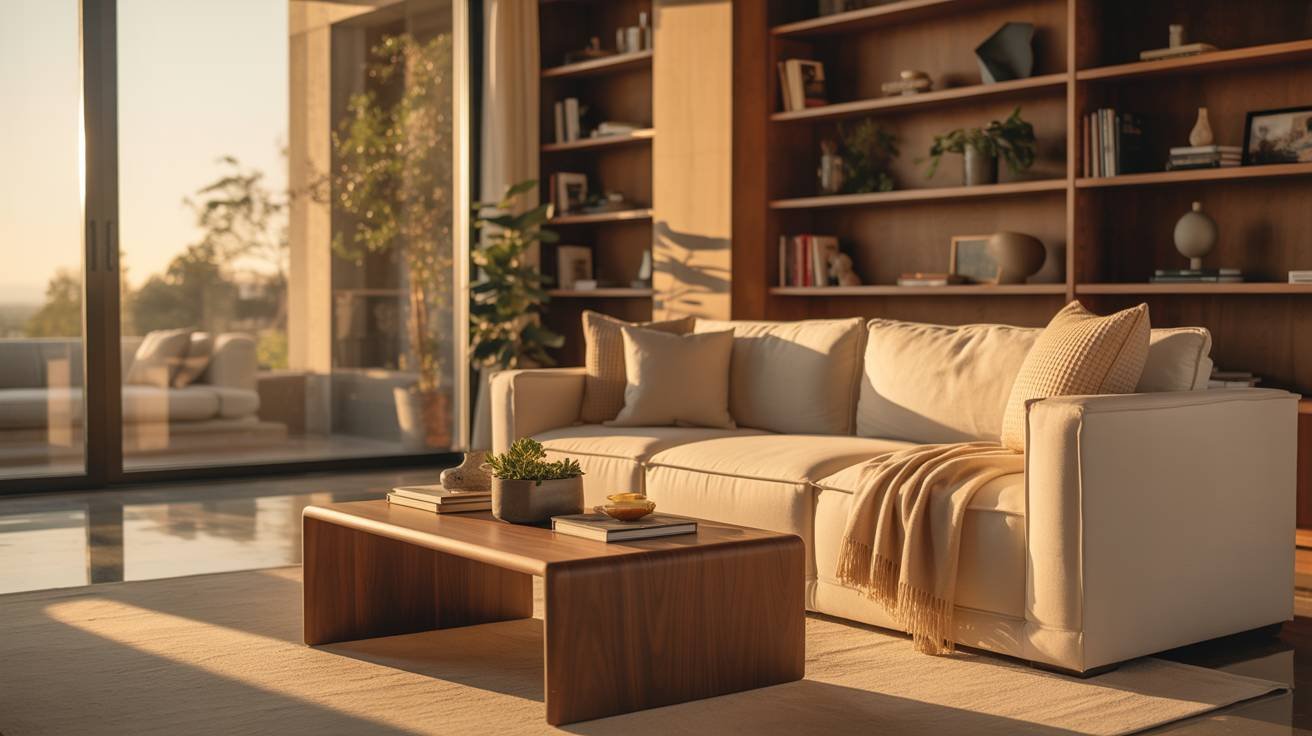
Furniture is the backbone of any living space. It’s where you relax, entertain, and spend a significant portion of your time. Therefore, selecting pieces that are both functional and stylish is crucial. Opt for furniture that suits the scale of your room; oversized pieces can overwhelm a small space, while too-small items can look out of place in a larger room. Materials also play a vital role; natural woods, soft fabrics, and durable metals can add texture and interest. Don’t shy away from mixing different materials to create a layered look. For instance, a leather sofa paired with a wooden coffee table and metal light fixtures can add depth and character to your space. Prioritize comfort by choosing ergonomic designs and high-quality materials that stand the test of time.
Lighting: Setting the Mood
Lighting is one of the most powerful tools in interior design. It can transform a space from cold and uninviting to warm and welcoming. Layering different types of lighting – ambient, task, and accent – allows you to adjust the mood of a room to suit various activities and times of day. Soft, diffused lighting can create a relaxing atmosphere for evening relaxation, while brighter task lighting is essential for reading or cooking. Incorporate a mix of light sources, such as floor lamps, table lamps, and pendant lights, to add dimension and interest. Don’t forget about natural light; maximizing daylight can make a room feel more open and airy. Position mirrors strategically to reflect light and make the space feel larger and more inviting.
Textiles and Accessories: Adding Personality
Textiles are an easy and affordable way to introduce color, texture, and pattern into your living space. Throw pillows, area rugs, and curtains can soften hard surfaces and add warmth to a room. Choose fabrics that feel good to the touch, like cotton, linen, or velvet, and mix patterns and textures to create visual interest. Accessories such as artwork, sculptures, and decorative trays can reflect your personal style and serve as conversation starters. When selecting accessories, consider the scale and proportion to ensure they complement the overall design. Remember, less is often more; a few well-chosen pieces can make a more significant impact than an overabundance of items.
Storage Solutions: Keeping Clutter at Bay
Clutter can quickly detract from the comfort and style of your living space. Implementing smart storage solutions ensures that your belongings are organized and easily accessible while maintaining the aesthetic appeal of the room. Built-in shelves, multifunctional furniture like ottomans with hidden storage, and stylish baskets can help keep items out of sight. Consider vertical storage options to maximize space, especially in smaller rooms. Regularly declutter and assess your possessions to prevent accumulation. A tidy space not only looks better but also promotes a sense of calm and order.
Personal Touches: Making It Yours
Infusing your personality into your living space is what truly makes it feel like home. Display personal items such as family photos, travel souvenirs, or heirlooms that tell your story. Incorporate elements that reflect your interests and passions, whether it’s a collection of books, musical instruments, or art pieces. These personal touches not only add character but also create an emotional connection to the space. However, be mindful not to overcrowd surfaces; select items that hold significance and contribute to the overall design. The goal is to create a space that feels uniquely yours, a place where you can relax, recharge, and express yourself.
Maintaining the Balance
Achieving a balance between comfort and style is an ongoing process. As trends evolve and your personal preferences change, it’s essential to reassess your living space periodically. Swap out accessories, update textiles, or rearrange furniture to refresh the look without compromising comfort. Regular maintenance, such as cleaning upholstery, polishing furniture, and caring for plants, ensures that your space remains inviting and well-kept. Stay inspired by exploring design magazines, visiting showrooms, or consulting with interior designers to discover new ideas and solutions. Remember, your living space should evolve with you, adapting to your needs and reflecting your journey.
