
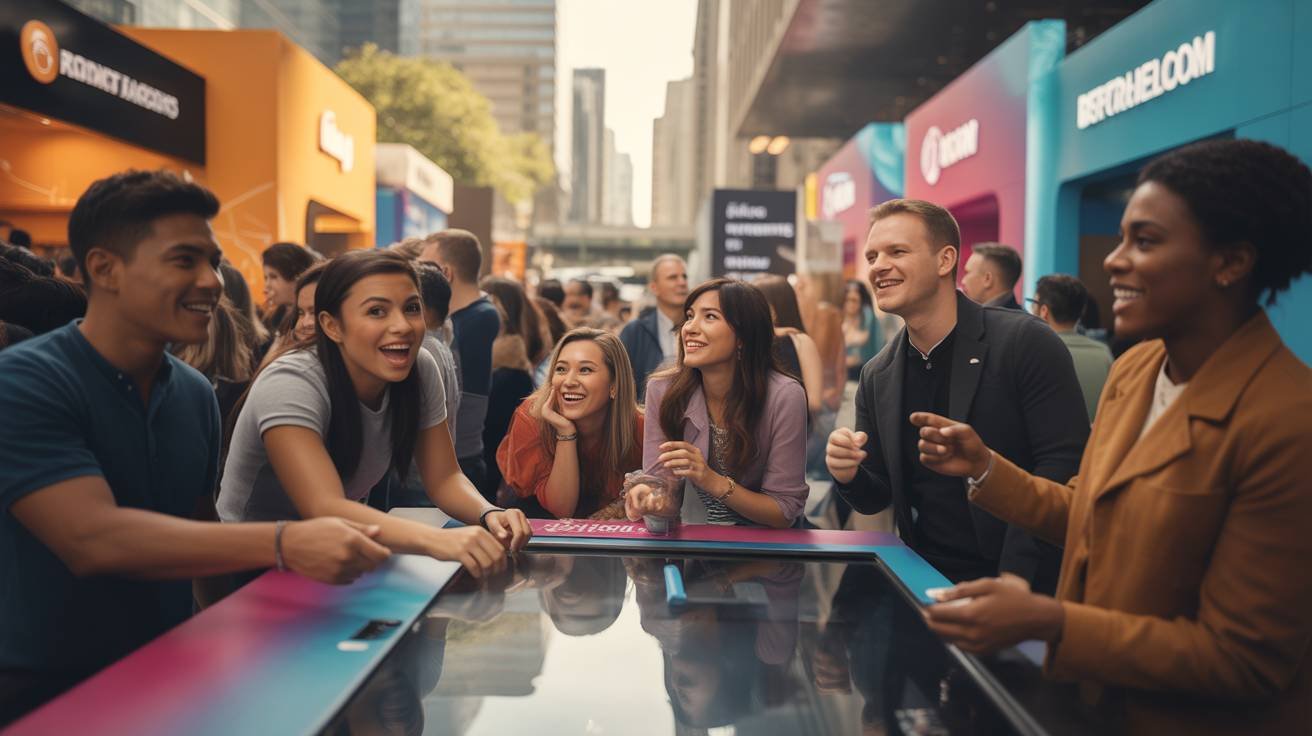
In today’s hyper-competitive market, traditional advertising methods are no longer enough to capture the attention of savvy consumers. To truly stand out, brands must create immersive experiences that resonate emotionally and forge lasting connections. This is where experiential marketing and events come into play. By engaging audiences in meaningful ways, brands can build awareness, foster loyalty, and drive growth.
Understanding Experiential Marketing: The Power of Immersive Experiences
Experiential marketing is a strategy that focuses on creating memorable, interactive experiences for consumers. Unlike traditional advertising, which delivers a one-way message, experiential marketing invites audiences to participate and engage with the brand on a deeper level. These experiences can take many forms, from pop-up shops and interactive installations to live events and virtual activations.
The goal of experiential marketing is to immerse consumers in the brand’s world, allowing them to connect emotionally and form a personal bond. This approach taps into the senses, emotions, and memories, making the brand more relatable and memorable. When done effectively, experiential marketing can turn passive consumers into active brand advocates.
Crafting Compelling Brand Experiences: Key Elements to Consider
Creating a successful experiential marketing campaign requires careful planning and execution. Here are some key elements to consider:
1. Clear Objectives: Define what you want to achieve with your campaign. Whether it’s increasing brand awareness, launching a new product, or gathering customer feedback, having clear objectives will guide your strategy and measure success.
2. Target Audience: Understand who your audience is and what resonates with them. Tailor your experiences to their preferences, behaviors, and values to ensure maximum engagement.
3. Creativity and Innovation: Stand out by offering unique and unexpected experiences. Use creativity to surprise and delight your audience, making the experience unforgettable.
4. Seamless Integration: Ensure that your experiential marketing efforts align with your overall brand strategy and messaging. Consistency across all touchpoints reinforces brand identity and builds trust.
5. Measurable Outcomes: Establish metrics to evaluate the success of your campaign. Track engagement levels, social media buzz, and any increase in sales or brand awareness to assess ROI.
Leveraging Events to Amplify Brand Presence
Events provide a platform for brands to engage with their audience in a live setting. Whether it’s a product launch, trade show, or community gathering, events offer opportunities to showcase products, interact with customers, and build relationships.
One example of a successful brand event is Coca-Cola’s “Haunted Fanta Factory,” a live horror-themed experience in New York. This event featured popular scary movie icons like Chucky and M3gan, attracting a large Gen Z audience and generating significant buzz on social media. By aligning the brand with Halloween and leveraging Hollywood partnerships, Coca-Cola created an immersive experience that resonated with its target demographic.
Integrating Technology for Enhanced Engagement
Incorporating technology into experiential marketing can enhance the overall experience and provide valuable data insights. Augmented reality (AR), virtual reality (VR), and interactive displays can captivate audiences and create memorable interactions.
For instance, Splunk’s virtual workshops offer hands-on sessions where participants can learn and interact with the platform in real-time. These sessions not only educate users but also foster a sense of community and engagement, demonstrating how technology can be used to enhance brand experiences.
Building Emotional Connections Through Authenticity
Consumers today value authenticity and transparency. Brands that are genuine in their messaging and actions build trust and loyalty among their audience.
Vita Coco’s community-centered pop-up in Washington Square Park serves as an excellent example. Instead of focusing on influencer endorsements, the brand set up a DIY vending machine offering free Strawberries & Crème Treats made with Vita Coco’s coconut water. This initiative fostered genuine connections with the community and received a positive response, attracting enthusiastic crowds. By prioritizing public interaction over influencer endorsements, Vita Coco showcased the potential of meaningful, real-world connections in PR.
Measuring Success: Tracking the Impact of Experiential Marketing
To determine the effectiveness of experiential marketing campaigns, it’s essential to measure key performance indicators (KPIs). These may include:
1. Engagement Metrics: Track the number of participants, time spent interacting with the brand, and the level of engagement during the experience.
2. Social Media Activity: Monitor mentions, shares, and hashtags related to the campaign to gauge online buzz and sentiment.
3. Sales Data: Analyze any increase in sales or inquiries following the campaign to assess its impact on revenue.
4. Brand Perception: Conduct surveys or focus groups to understand how the campaign has influenced consumer perceptions of the brand.
By evaluating these metrics, brands can gain insights into the effectiveness of their experiential marketing efforts and make data-driven decisions for future campaigns.
Case Studies: Real-World Examples of Successful Experiential Marketing
Examining real-world case studies can provide valuable insights into the strategies and tactics that lead to successful experiential marketing campaigns.
One such example is PepsiCo’s brand awareness campaign for Harvest Fruit & Nut bars and Crispy Minis. The campaign involved a national program that included interactive experiences, product sampling, and community engagement. The result was increased brand recognition and consumer loyalty, demonstrating the power of experiential marketing in driving brand awareness.
Another notable case is Taco Bell’s PR stunt involving an Airbnb Steakation. The campaign captured national attention through an online social campaign and a viral video, leading to increased consumer interest and brand visibility. This example highlights the effectiveness of creative and unconventional approaches in experiential marketing.
Implementing Experiential Marketing: Steps to Get Started
For brands looking to implement experiential marketing, here are some steps to consider:
1. Define Your Goals: Clearly articulate what you hope to achieve with your campaign, whether it’s increasing brand awareness, launching a new product, or building customer loyalty.
2. Understand Your Audience: Research your target demographic to understand their preferences, behaviors, and values. Tailor your experiences to resonate with them.
3. Develop a Creative Concept: Brainstorm unique and innovative ideas that align with your brand and will captivate your audience.
4. Plan the Logistics: Organize the details of your event, including location, timing, staffing, and equipment.
5. Promote the Experience: Utilize social media, email marketing, and other channels to generate buzz and encourage participation.
6. Execute the Campaign: Implement your plan and ensure that all elements are executed smoothly to provide a seamless experience for participants.
7. Evaluate the Results: After the campaign, assess its effectiveness by measuring the established KPIs and gathering feedback from participants.
By following these steps, brands can create impactful experiential marketing campaigns that build awareness and foster lasting connections with their audience.
Conclusion: The Future of Brand Awareness Through Experiential Marketing
Experiential marketing and events are powerful tools for building brand awareness and creating meaningful connections with consumers. As the marketing landscape continues to evolve, brands that embrace immersive experiences and prioritize authenticity will stand out in a crowded marketplace.
By understanding the principles of experiential marketing, crafting compelling experiences, leveraging technology, and measuring success, brands can effectively engage their audience and drive growth. The future of brand awareness lies in creating experiences that resonate emotionally and leave a lasting impression.
