
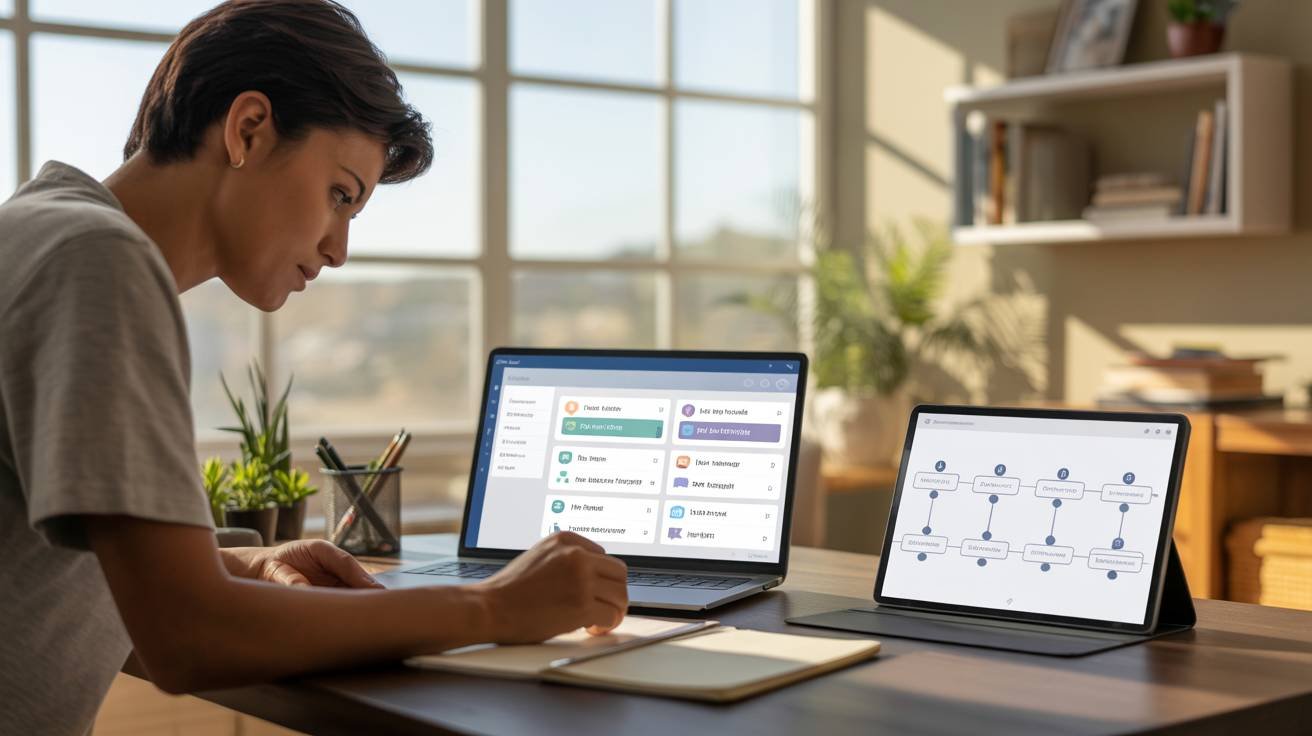
In the ever-evolving landscape of education, the traditional classroom model is being rapidly overshadowed by the dynamic and flexible world of online learning platforms. These digital ecosystems are not just supplementary tools; they are revolutionizing the way students engage with content, interact with instructors, and ultimately, achieve academic success. Central to this transformation is the concept of fidelity in education – the unwavering commitment to delivering high-quality, structured, and effective learning experiences that mirror the rigor and depth of traditional education, if not surpass it.
The Rise of Online Learning Platforms
The digital age has ushered in an era where education is no longer confined to the four walls of a classroom. Online learning platforms have democratized access to knowledge, breaking down geographical, financial, and temporal barriers. Students from remote villages to bustling urban centers now have the opportunity to learn from world-renowned educators and institutions. This shift is not merely a trend but a paradigm shift in how education is perceived and delivered.
These platforms offer a plethora of courses spanning various disciplines, each meticulously designed to cater to diverse learning needs. Whether it’s a high school student seeking to improve grades or a professional aiming to acquire new skills, online learning platforms provide tailored pathways that guide learners toward their academic and career goals. The integration of multimedia content, interactive assessments, and collaborative tools ensures that learning is not only accessible but also engaging and effective.
Structured Learning Paths: The Blueprint for Success
At the heart of these platforms lies the concept of structured learning paths. Unlike the fragmented and often overwhelming approach of traditional education, structured learning paths offer a clear, coherent, and progressive journey through a subject matter. This methodical approach ensures that learners build foundational knowledge before advancing to more complex concepts, fostering a deeper understanding and retention of information.
Structured learning paths are meticulously curated, often by experts in the field, to ensure that each module builds upon the previous one. This scaffolding technique is akin to constructing a building – each layer supports the next, resulting in a robust and comprehensive understanding of the subject. Moreover, these paths are designed to be flexible, allowing learners to progress at their own pace while ensuring that they achieve the desired learning outcomes.
Enhancing Academic Performance Through Personalized Learning
One of the most significant advantages of online learning platforms is the ability to personalize the learning experience. Traditional classrooms often adopt a one-size-fits-all approach, which may not cater to the individual needs of every student. In contrast, online platforms leverage data analytics and artificial intelligence to tailor learning experiences to each learner’s strengths, weaknesses, preferences, and pace.
This personalization extends beyond content delivery. Adaptive assessments, real-time feedback, and targeted interventions ensure that learners receive the support they need precisely when they need it. This individualized attention not only boosts confidence but also significantly enhances academic performance. Students are more likely to remain engaged, motivated, and committed to their learning journey when they feel that the content is relevant and aligned with their personal goals.
Fidelity in Education: Maintaining Quality and Integrity
As online learning platforms proliferate, maintaining fidelity in education becomes paramount. It’s not enough to merely offer courses; the quality, rigor, and integrity of the content must be upheld to ensure that learners receive an education that is both meaningful and valuable. This commitment to fidelity ensures that students are not just consuming information but are genuinely learning and acquiring skills that are applicable in real-world scenarios.
Platforms that uphold high standards of fidelity invest in expert instructors, evidence-based pedagogical strategies, and continuous content updates to reflect the latest developments in the field. Moreover, they implement robust assessment mechanisms to evaluate learner progress and ensure that educational objectives are met. This unwavering commitment to quality ensures that students can trust the platform to provide an education that is both comprehensive and credible.
Real-World Impact: Success Stories from Learners
The effectiveness of online learning platforms is best illustrated through the success stories of learners who have experienced tangible improvements in their academic performance. Take, for instance, Sarah, a working professional who aspired to transition into data science. By enrolling in a structured learning path offered by an online platform, she was able to acquire the necessary skills and knowledge to make a successful career switch. Within months, Sarah secured a position as a data analyst, a testament to the efficacy of personalized and structured online learning.
Similarly, Ahmed, a high school student struggling with mathematics, found renewed hope through an online learning platform that offered interactive lessons and real-time tutoring. The structured approach allowed him to grasp complex concepts at his own pace, leading to a significant improvement in his grades and a newfound confidence in his abilities. These stories are not isolated; they reflect a broader trend of learners achieving academic success through the strategic use of online learning platforms.
Overcoming Challenges: Addressing the Digital Divide
Despite the myriad benefits, the widespread adoption of online learning platforms is not without challenges. One of the most pressing issues is the digital divide – the gap between those who have access to technology and those who do not. In many regions, students lack reliable internet access, modern devices, or the necessary digital literacy skills to navigate online platforms effectively.
Addressing this divide requires concerted efforts from governments, educational institutions, and technology providers. Initiatives such as providing subsidized internet access, distributing affordable devices, and offering digital literacy training can help bridge this gap. Moreover, platforms can design mobile-friendly interfaces and offline capabilities to ensure that learning is accessible to all, regardless of their technological circumstances.
The Future of Education: A Hybrid Model
Looking ahead, the future of education seems to be leaning towards a hybrid model that combines the best aspects of traditional and online learning. While online platforms offer flexibility and personalization, traditional classrooms provide face-to-face interactions and hands-on experiences that are invaluable in certain disciplines.
This hybrid approach allows for a more holistic educational experience, where students can benefit from the structure and support of in-person learning while enjoying the flexibility and personalized pathways offered by online platforms. Such a model not only caters to diverse learning preferences but also prepares students for the dynamic and interconnected world they will navigate post-graduation.
Call to Action: Embrace the Future of Learning
The landscape of education is rapidly changing, and those who fail to adapt risk being left behind. Online learning platforms that offer structured learning paths and uphold fidelity in education are not just an alternative – they are the future. Students, educators, and institutions must recognize the transformative potential of these platforms and embrace them to enhance academic performance and prepare for the challenges of tomorrow.
For students seeking to take control of their learning journey, explore platforms that offer personalized, structured, and high-quality courses. For educators and institutions, consider integrating online learning solutions that complement traditional teaching methods and provide students with the tools they need to succeed. The time to act is now – don’t let the future of education pass you by.
For a deeper understanding, check out our detailed guide on Harbor Linen New Generation which covers related aspects in depth.
