
The Transformation of Education: Game-Based Learning’s Rising Role
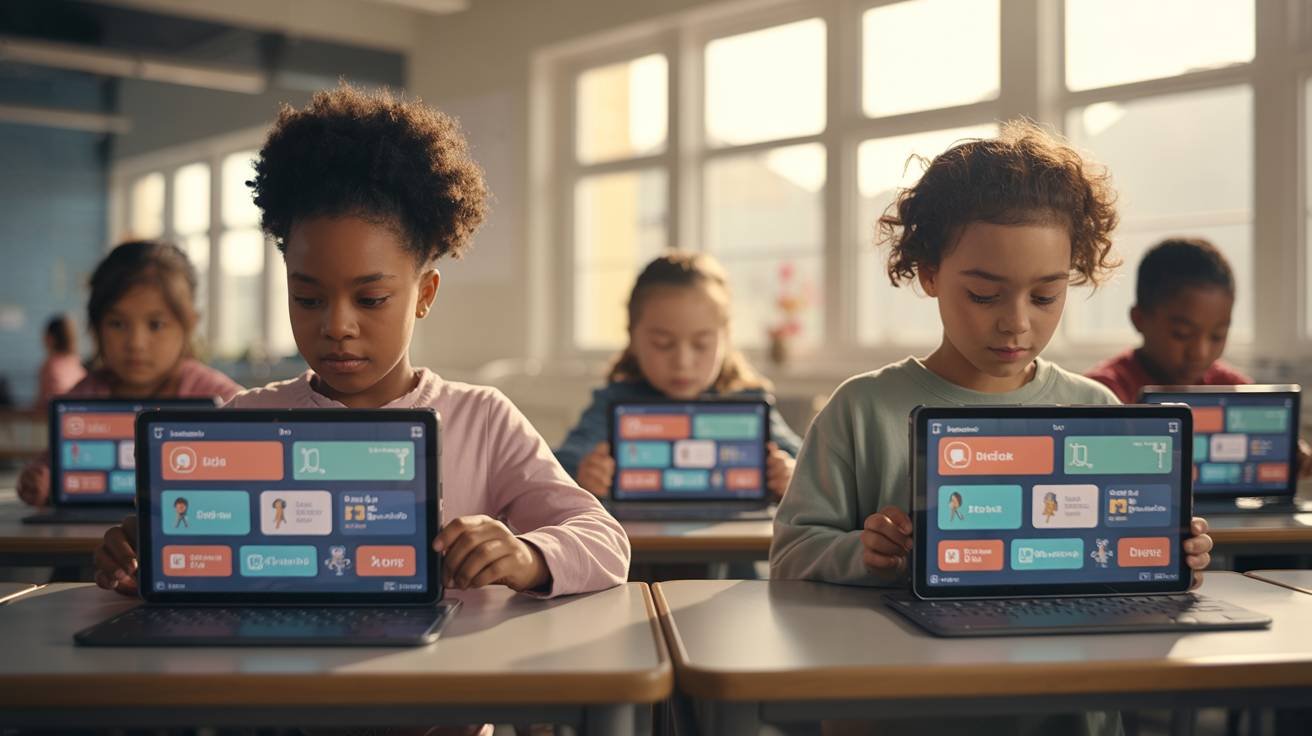
Education is evolving at an unprecedented pace, driven by a shift towards more engaging, personalized learning experiences. Among the most exciting innovations shaping this change is the integration of game-based learning. This method is rapidly gaining ground in classrooms and virtual spaces alike, offering a transformative way to engage students in their education. Imagine a classroom where students don’t just sit through lessons but actively participate in their learning journey, solving problems, and experiencing the thrill of progression in ways that textbooks could never deliver. This is the magic of game-based learning.
Game-based learning is more than just fun – it’s a powerful tool for personalization and adaptability. It creates a space where students can learn at their own pace, challenge themselves with levels of difficulty that suit their current abilities, and receive instant feedback, allowing for immediate improvement. This level of engagement ensures that no student is left behind or forced to move ahead too quickly. In a world where ecology education is becoming increasingly important, game-based learning can be a dynamic and interactive way to bring environmental concepts to life.
The Power of Personalization in Education
In traditional education systems, every student is often forced into the same learning mold, regardless of their unique needs, interests, or abilities. However, game-based learning is turning this paradigm on its head by offering tailored experiences that cater to each learner’s pace and style. By using adaptive technologies, these platforms can adjust the difficulty of tasks, provide hints, and offer alternative methods for solving problems based on how well a student is performing. This highly individualized approach fosters a deeper understanding and a stronger connection to the material.
In a typical classroom, students with different learning styles may struggle to keep up or may not be challenged enough. Game-based learning creates an environment where students can explore concepts in a way that makes sense to them. For instance, a student interested in ecology might find themselves immersed in a simulation where they manage a virtual ecosystem, learning about environmental science in a hands-on, immersive way. This active engagement with the subject matter ensures that students are not only more motivated but also better equipped to grasp complex concepts like those involved in ecology education.
How Game-Based Learning Enhances Problem-Solving Skills
One of the most valuable skills students can develop is problem-solving, and game-based learning excels in fostering this ability. In traditional education settings, problem-solving is often relegated to isolated exercises that may not engage students. However, in a game-based learning environment, challenges and puzzles are woven into the very fabric of the experience. Students are presented with problems that they must actively work to solve, often with the aid of trial and error, creative thinking, and collaboration with others.
This method not only improves critical thinking but also teaches perseverance. For example, in a game centered around ecology education, students might be tasked with balancing the needs of various plant and animal species while managing resources such as water and food. As students encounter and overcome challenges in the game, they begin to understand how to apply similar problem-solving strategies in real-life situations. These types of engaging, interactive lessons allow students to learn deeply, while building essential life skills that they will carry with them far beyond the classroom.
Instant Feedback: The Game-Changer in Adaptive Education
Instant feedback is one of the key advantages that game-based learning offers over traditional teaching methods. In a traditional classroom, feedback may take days to be received, which means that students might continue making the same mistakes without knowing how to improve. However, in a game-based learning environment, feedback is immediate. This allows students to understand their mistakes in real-time, make adjustments, and instantly see how those adjustments impact their progress.
This instant feedback is particularly powerful for personalized learning. It allows students to take ownership of their educational journey, reinforcing the notion that mistakes are part of the learning process, and progress is often incremental. When students receive immediate feedback, they are empowered to keep going, knowing they are supported in their learning efforts. For example, when exploring where ecology education intersects with game-based learning, students can experiment with various environmental policies or conservation strategies within a game, tweaking their decisions based on real-time feedback, and learning through this iterative process.
Gamification: Making Learning Irresistible
Gamification is the process of applying game design elements to non-game contexts, and it has become a buzzword in modern education. From earning points and badges to completing levels and achieving high scores, gamification introduces an element of excitement and competition into the learning process. This sense of achievement motivates students to keep pushing themselves, striving for mastery in the subject matter at hand.
For students learning about complex topics like ecology, gamification offers a way to break down these concepts into manageable, bite-sized challenges. Imagine a scenario where a student is tasked with helping restore a virtual ecosystem by planting trees, managing wildlife populations, or reducing pollution. Every step forward is rewarded with new challenges, unlocking more advanced levels of the game. This progression keeps students engaged and excited, ensuring that they never feel like they’re stuck in a never-ending cycle of monotonous study. In a way, the game itself becomes a dynamic and motivating force in the learning process, encouraging students to dive deeper into the subject of ecology education.
Building Critical Thinking through Game Dynamics
At the heart of every great game is a set of rules and dynamics that challenge players to think critically, plan ahead, and make decisions under pressure. Game-based learning leverages these same dynamics to build critical thinking skills in students. By navigating through different scenarios, players must think strategically, analyze the consequences of their actions, and continuously adapt their approaches based on new information.
For instance, in a game centered around sustainability and environmental science, students may need to consider various ecological factors – such as animal migration patterns, climate change effects, or the sustainability of resources – while making decisions about land use or resource allocation. These complex decisions require a high level of critical thinking, forcing students to consider the long-term impact of their choices, just as they would in real-world ecological scenarios. The immersive nature of the game makes these lessons not only more memorable but also more impactful, as students can directly see the consequences of their actions unfold in real time.
Real-World Applications: Bridging the Gap with Game-Based Learning
While the benefits of game-based learning are vast, the real magic happens when students can see how these lessons apply to the real world. Games that are designed with real-world scenarios in mind offer students a way to simulate experiences and problem-solving strategies that they might not otherwise have the opportunity to try. For example, students learning about ecology might find themselves managing a forest ecosystem, making decisions that balance biodiversity, resources, and human interaction with the environment. This direct engagement with real-world issues helps students build skills that are transferable to future careers, community projects, and personal life.
What’s more, these types of games often introduce students to cutting-edge technologies, further bridging the gap between virtual learning and real-world applications. This is particularly important in fields like ecology, where understanding complex environmental systems requires both theoretical knowledge and practical application. Game-based learning helps students gain hands-on experience in a controlled, safe environment, which they can later apply in more advanced, real-life contexts.
Preparing Students for the Future: The Role of Game-Based Learning in Career Readiness
As the job market becomes increasingly competitive and dynamic, students must be prepared with a broad set of skills that go beyond rote memorization. Game-based learning plays a crucial role in preparing students for the future by promoting collaboration, adaptability, and creativity – skills that are highly valued by employers. Whether students are learning about ecology or any other subject, games often require them to work with others to solve complex challenges, providing valuable practice in teamwork and communication.
Furthermore, many modern games incorporate elements of data analysis, resource management, and decision-making – skills that are essential in today’s fast-paced, tech-driven world. By engaging in these types of experiences, students not only learn academic content but also prepare for the professional demands of the future. Whether students are passionate about sustainability, technology, or any other field, game-based learning offers them the tools to succeed in an ever-evolving world.
