
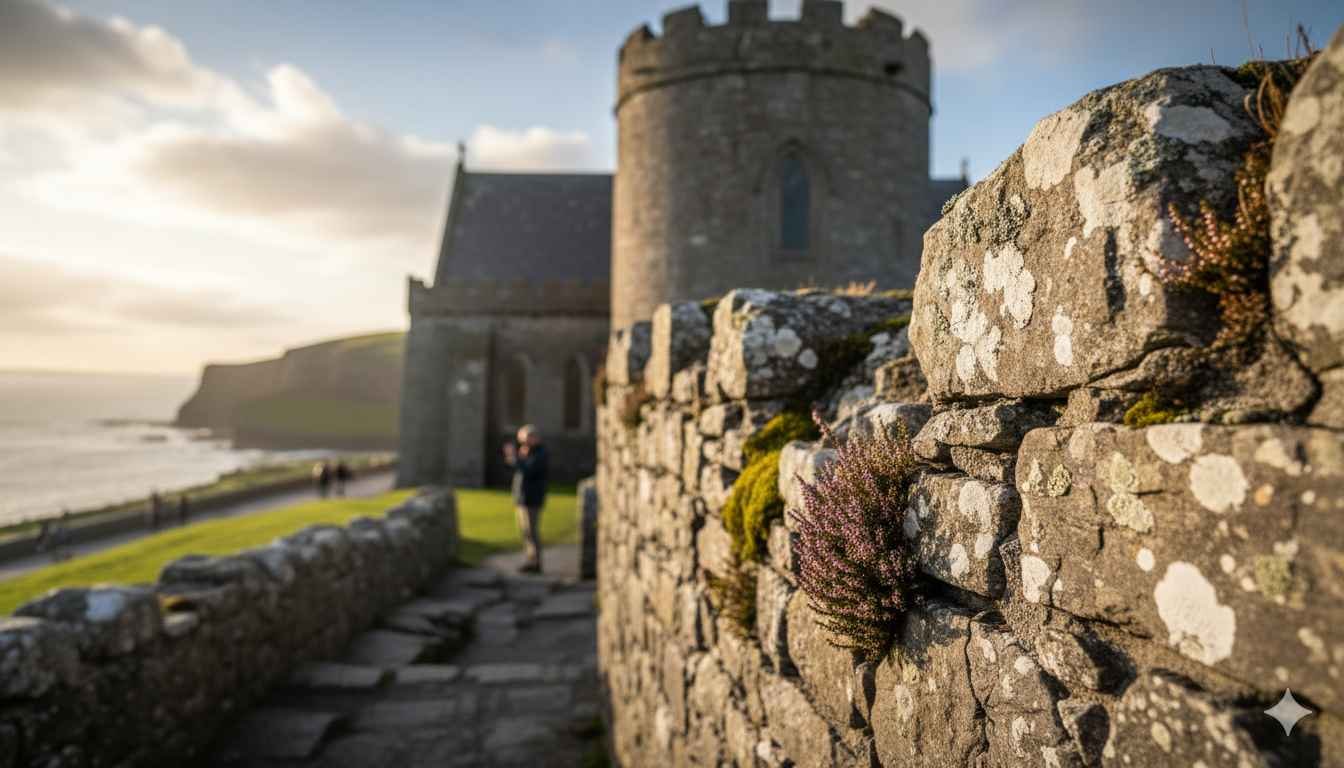
The Republic of Ireland offers diverse experiences for travellers. Many popular places to visit in Republic of Ireland attract international visitors annually. From historic sites to vibrant cities, there is much to discover across the country.
Dublin, the capital, features numerous cultural landmarks. Trinity College and St. Patrick’s Cathedral are prominent examples. The city’s rich history is evident in its architecture and museums. Visitors often explore the bustling Temple Bar district.
The Cliffs of Moher, located in County Clare, provide dramatic coastal views. These natural wonders are among Ireland’s most iconic landscapes. Walking trails along the cliff edge offer breathtaking vistas. Millions visit this site each year.
Galway, a vibrant city on the west coast, is known for its arts scene. Live music and traditional pubs define its character. The Spanish Arch and Eyre Square are popular gathering spots. Its bohemian atmosphere draws many to the area.
Killarney National Park in County Kerry offers stunning natural beauty. Lakes, mountains, and woodlands create a picturesque setting. Ross Castle and Muckross House are historical attractions within the park. Deer roam freely, enhancing the natural experience.
The Ring of Kerry is a scenic drive offering coastal and mountain views. Quaint villages and ancient sites dot the route. It provides an immersive experience of Ireland’s southwestern landscapes. This popular tourist trail showcases diverse scenery.
Cork city, situated on the River Lee, boasts a rich maritime heritage. The English Market is a renowned food destination. St. Fin Barre’s Cathedral displays remarkable Gothic architecture. Visitors can explore various historical quarters.
Blarney Castle, near Cork, is famous for the Blarney Stone. Kissing the stone is said to bestow the ‘gift of gab.’ The castle grounds feature extensive gardens. It remains a popular site for tourists.
The Giant’s Causeway in Northern Ireland is a UNESCO World Heritage site. While technically not in the Republic, it is often included in regional tours. Its unique basalt columns are a geological marvel. This natural formation attracts global interest.
Ireland’s ancient East region reveals prehistoric sites and monastic ruins. The Boyne Valley holds Newgrange, a significant passage tomb. Clonmacnoise monastery provides insight into early Christian Ireland. This area is rich in historical narratives.
Experiencing traditional Irish music is a highlight for many. Pubs across the country host regular sessions. This cultural activity offers a glimpse into local life. It adds to the authentic Irish experience.
Local craftsmanship, including wool products and jewellery, is widely available. Supporting local artisans contributes to the economy. Many independent shops feature unique Irish designs. This offers meaningful souvenirs for visitors.
Transport links across the Republic of Ireland facilitate travel. Trains and buses connect major towns and cities. Car rental provides flexibility for exploring remote areas. Planning routes ensures efficient travel between destinations.
Rural areas offer serene escapes and outdoor activities. Hiking, cycling, and fishing are popular pursuits. The tranquil countryside provides a contrast to urban environments. Nature lovers find solace in these settings.
Common Queries About Ireland Travel
- What are the main attractions in the Republic of Ireland?Major attractions include the Cliffs of Moher, Trinity College, and Killarney National Park.
- When is the best time to visit the Republic of Ireland?Spring and autumn offer pleasant weather and fewer crowds for touring.
- Is the Republic of Ireland suitable for families?Yes, many sites like parks and historical castles are family-friendly options.
The hospitality sector in the Republic of Ireland is well-developed. Various accommodation options cater to all budgets. From luxury hotels to charming B&Bs, choices are plentiful. This ensures comfortable stays for all travellers. For those interested in infrastructure developments, Allgemeinebauzeitung provides insights into broader European construction trends.
Food experiences range from traditional Irish stew to modern cuisine. Fresh seafood is a specialty in coastal areas. Farm-to-table dining is increasingly common. Exploring local eateries enhances the travel experience. A trip through Ireland’s vibrant culinary scene is a delight for many visitors.
Cultural festivals occur throughout the year, celebrating music, arts, and heritage. These events offer immersive experiences. Checking local listings provides information on upcoming festivities. Participation can enrich any visit to the country. Many travellers enjoy planning their trips around specific events.
The Irish language, Gaeilge, is still spoken in some regions. Gaeltacht areas preserve this ancient tongue. Learning a few phrases can enhance cultural interaction. This showcases the depth of Irish heritage. For more travel-related insights, visit our Travel & Tourism section.
Outdoor adventures, such as surfing and kayaking, are popular along the coast. The Wild Atlantic Way offers prime locations. Adrenaline seekers find ample opportunities. These activities highlight Ireland’s natural beauty and rugged coastline.
Modern cognitive research indicates that the human brain absorbs new information most effectively when study sessions are combined with active recall techniques and spaced repetition. For students who want to optimize their exam preparation and improve their grades, the memory retention strategies detailed in the NJ Home Improvement Contractor Bond Requirements You Need to Know and the AP Spanish Online Course Best of the Year Roundup provide a brilliant masterclass in academic optimization. By moving away from passive reading and embracing active self-testing, learners can build stronger neural pathways and recall complex concepts with far greater speed and accuracy.
For a deeper understanding, check out our detailed guide on How Digital Whiteboards Are Revolutionizing which covers related aspects in depth.
